

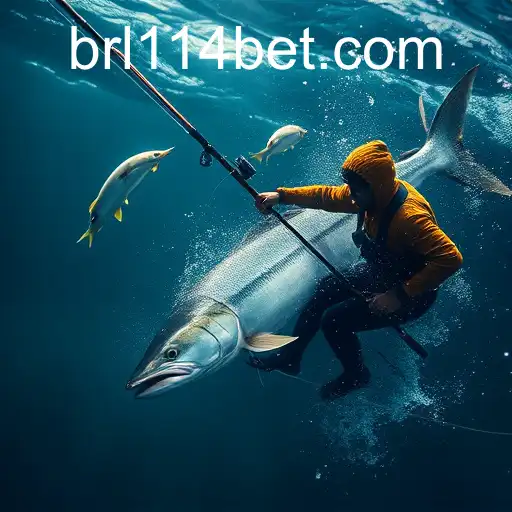
The Art and Science of Fishing: An In-Depth Look into One of Humanity's Oldest Practices
Fishing is often regarded as one of humanity's most ancient and sustaining practices. From a subsistence activity essential for survival to a relaxing hobby, fishing encompasses a range of techniques and cultures. Modern fishing has evolved significantly, intertwining traditional knowledge with contemporary technology, a development seen across both recreational and commercial fishing sectors.
A Journey Through History
The history of fishing stretches back tens of thousands of years, with evidence suggesting that fishing equipment and techniques were developed in the Upper Paleolithic period. Ancient communities relied on fishing not only for food but also for cultural rituals and trade. Over time, various methods such as spearfishing, angling, and netting emerged.
The evolution of fishing equipment is fascinating, from rudimentary tools crafted from bone, wood, and stone to today's sophisticated gear made of advanced materials designed for both efficiency and conservation. As societies evolved, the representation and role of fishing in daily life shifted too, often seen in art, literature, and folklore.
The Various Methods of Fishing: From Hook and Line to Deep-Sea Ventures
Fishing methods vary widely around the world, each suited to different environments and species:
- Angling: Perhaps the most popular form of recreational fishing, angling involves the use of a rod, reel, line, and hook. Whether standing on the bank of a quiet river or on the deck of a boat, this method is accessible and appealing to many.
- Fly Fishing: A more specialized segment of angling, fly fishing uses a lightweight lure called a fly, which is cast using special techniques. Known for its grace and precision, fly fishing is often practiced in freshwater for trout and salmon.
- Longline Fishing: Used commercially, longline fishing can involve setting out lines that are miles long with thousands of baited hooks targeting species like tuna and swordfish. It’s a method that requires careful management to minimize bycatch.
- Trawling: A method that involves dragging a fishing net through the water behind one or more boats. Although it is effective, trawling can have a significant environmental impact, leading to stricter regulations.
- Spearfishing: One of the earliest forms of fishing, spearfishing requires skill and focus. Modern spearfishing has evolved with the advent of spearguns and is popular in regions with clear, calm waters.
The Importance of Sustainability in Modern Fishing
As human populations grow and technological efficiencies increase, the sustainability of fishing practices has become a critical concern. Overfishing threatens marine ecosystems and food security around the globe. To combat this, international bodies and governments have implemented measures such as quotas, size limits, and marine protected areas.
The push for sustainable fishing is also supported by consumers who advocate for responsible sourcing and transparency. The rise of aquaculture or fish farming is a response to the demand for fish proteins while attempting to reduce the pressure on wild fish stocks.
Recreational Fishing: A Global Passion
Recreational fishing has gained immense popularity worldwide. Communities often organize local fishing derbies, tournaments, and clubs that bring together enthusiasts from various backgrounds. The sport fosters camaraderie and promotes outdoor activity, providing mental and physical health benefits.
Technological advancements have also infiltrated recreational fishing through apps that provide weather forecasts, GPS locations for best fishing spots, and social networks for sharing catches. For those who seek solitude and natural beauty, recreational fishing offers both adventure and tranquility.
Fishing in the Digital Age: Companies Innovating in the Market
One unique aspect of modern fishing is how digital innovation has intersected with traditional sport. Websites like 114bet.COM have emerged to offer digital platforms where enthusiasts can learn, share, and even engage in virtual competitions. This showcases the versatility and adaptability of fishing communities online.
Conclusion: The Continuous Evolution of Fishing
Fishing continues to evolve, balancing between traditional practices and modern-day innovations. To pursue fishing, whether as a livelihood or a leisurely pastime, is to engage with a practice rich in history and diversity. As the world changes, fishing will undoubtedly continue to adapt, highlighting the enduring connection between humans and the aquatic world.